

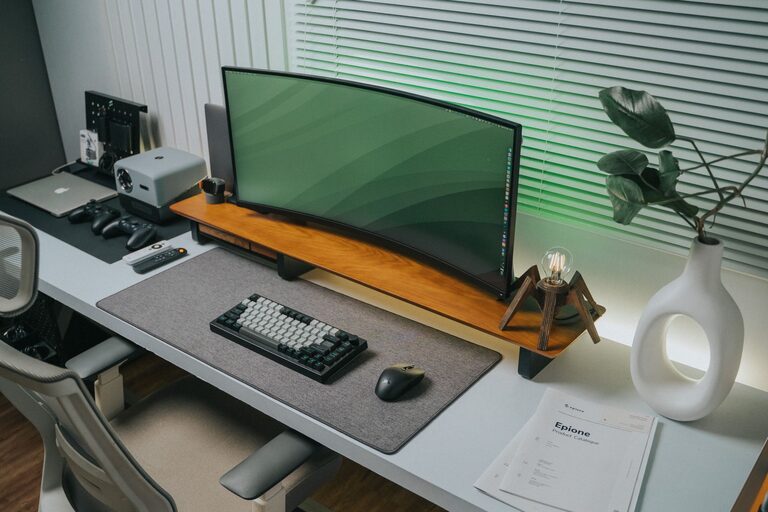
Creating an organized and efficient home workspace is essential for maintaining productivity and minimizing distractions. Whether you work remotely full-time or occasionally need a dedicated spot for tasks, a clutter-free setup helps boost your focus and reduce stress. Here are practical tips to help you design a home office environment that supports your best work.
Assess Your Space and Needs
Before you start organizing, take a moment to evaluate your workspace requirements. Consider the following:
– Available area: How much space do you have? It could be a full room, a corner, or even a small desk.
– Type of work: Does your work involve mainly computer tasks, paperwork, or creative activities?
– Storage needs: What materials and tools do you use daily or occasionally?
Understanding these factors allows you to customize your setup to your lifestyle and optimize the space efficiently.
Declutter Regularly
Clutter can quickly accumulate and interfere with your focus. Make it a habit to declutter regularly:
– Clear your desk daily: At the end of each workday, put away unnecessary items.
– Sort paperwork: Create a filing system with folders or trays for bills, notes, and important documents.
– Limit personal items: Keep only a few meaningful decorations or photos to avoid distractions.
By maintaining a minimalist environment, your mind can better concentrate on the tasks at hand.
Choose Functional Furniture
Your furniture can make a big difference in productivity and comfort:
– Ergonomic chair: A comfortable chair that supports your posture helps prevent fatigue.
– Adjustable desk: A height-adjustable desk allows you to switch between sitting and standing.
– Smart storage: Use desks with drawers or add shelves to keep supplies within reach but out of sight.
Investing in quality furniture tailored to your needs creates a more inviting and effective workspace.
Organize Cables and Electronics
Cables and electronic devices often create visual and physical mess:
– Use cable organizers: Clips, sleeves, or ties can bundle cables neatly.
– Position power strips wisely: Keep them off the floor and easily accessible.
– Label cords: Identifying ends saves time when unplugging or rearranging devices.
A tidy electronics setup reduces distractions and makes your desk easier to clean.
Utilize Vertical Space
Maximize your workspace by thinking vertically:
– Wall shelves: Store books, supplies, or decorative items without occupying desk space.
– Pegboards or corkboards: Great for hanging tools, reminders, and calendars.
– Magnetic strips: Attach metal accessories or notes within easy reach.
Vertical storage keeps essentials organized and within sight but frees up the desktop.
Create Zones for Different Tasks
If space allows, divide your workspace into different zones:
– Computer station: Dedicated for digital tasks.
– Writing or crafting area: A clear surface for paper-based work.
– Reference corner: Shelves or file holders for manuals and documents.
Zoning helps your brain switch focus smoothly and keeps materials organized by activity.
Keep Supplies Accessible and Organized
Frequently used items should be easy to find and store:
– Use containers: Drawer organizers, cups, and trays keep pens, clips, and gadgets orderly.
– Label storage: Clear labels reduce searching time.
– Limit supplies: Only keep what you use regularly to avoid unnecessary clutter.
A well-organized supply system saves time and keeps your desk tidy.
Personalize Your Workspace Thoughtfully
A comfortable and inspirational workspace includes personal touches, but moderation matters:
– Add plants: Small greenery can improve air quality and mood.
– Choose calming colors: Soft tones promote focus and reduce stress.
– Incorporate meaningful decor: A few special photos or artwork can make your space inviting without overwhelming.
Personalization helps make your workspace your own while maintaining order.
Maintain Good Lighting
Proper lighting supports comfort and productivity:
– Natural light: Position your desk near windows if possible.
– Task lighting: Use adjustable desk lamps to reduce eye strain.
– Avoid glare: Place monitors perpendicular to windows or use blinds.
Good lighting reduces fatigue and keeps energy levels up throughout your workday.
Establish Daily Tidying Routines
To sustain an organized workspace, build simple habits:
– Spend 5 minutes at start and end of each day tidying.
– Reassess your setup monthly to adapt as needed.
– Keep a small trash bin nearby to discard unwanted papers regularly.
Consistent care prevents clutter from becoming overwhelming.
—
A clutter-free and efficient home workspace makes working from home more enjoyable and productive. By thoughtfully assessing your space, organizing smartly, and maintaining regular routines, you can create an environment that supports your work goals and well-being. Start implementing these tips today to transform your home office into a place where focus and creativity thrive.